Molecular Cell and Developmental Biology
The Division of Molecular, Cell and Developmental Biology (MCDB) consists of research groups with interests in molecular biology, cell biology, and developmental biology.

The central dogma of molecular biology relates to the flow of genetic information from DNA (the storage site) to RNA (the messenger), which in turn acts as a template for protein synthesis. These fundamental processes are regulated precisely in cells that form building blocks of tissues within our bodies. They underpin differences in cells of different tissue types and are altered in disease.
Research in the division therefore spans biology at different scales from molecules to cells and tissues and explores relevance across these levels to human diseases. Our activities include exploring the molecular basis of genetic programs (DNA replication, transcription, epigenetics, splicing and translation); understanding the mechanisms of sub-cellular organisation and dynamics (chromosome inheritance, cell polarity, membrane traffic) and revealing the principles of cellular differentiation and how tissues and organs are formed.
To facilitate our research, we have established shared resources for advanced technologies including Microscopy, Human Pluripotent Cell culture, Proteomics, and High Content screening. We find that collaboration is an effective and enjoyable way of working across scales and facilitating the translation of our discoveries.
Facilities
Facilities within the Faculty of Life Sciences that are led by principal investigators within MCDB:
Human Pluripotent Stem Cell Facility
FingerPrints Proteomics and Mass Spectrometry Facility
Stories
-
- Type
- News
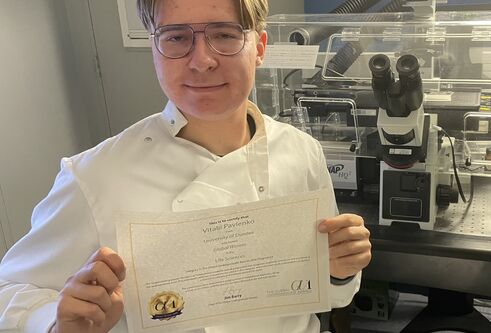
Life Sciences student named a Global Winner at the 2026 Global Undergraduate Awards
Vitalii Pavlenko, a Life Sciences student, has been named the Global Winner in the Life Sciences category of the 2026 competition
-
- Type
- Press release
My Name’5 Doddie Foundation to back two Dundee MND studies
A motor neuron disease (MND) charity founded in honour of a Scottish rugby legend has awarded funding to two University of Dundee research studies.
-
- Type
- Press release
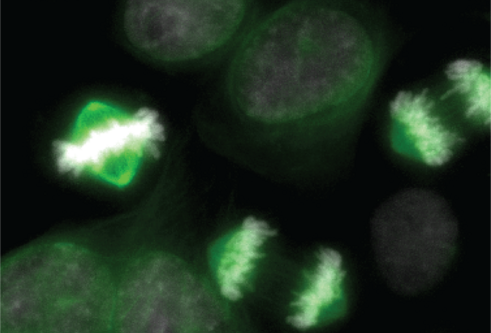
“Light switch” cell study could spark new cancer treatments
A multi-million pound University of Dundee study, in collaboration with a research centre in Germany, intends to reveal the workings of cellular “light switches” that are a potential cause of cancer.
-
- Type
- News
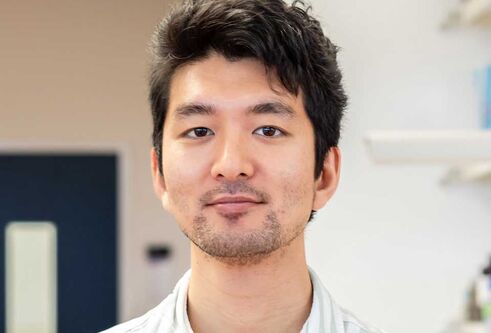
Wellcome Career Development Awards awarded to Dr Wataru Kobayashi
Dr Wataru Kobayashi has been awarded £ 2.16M from the Wellcome Trust to study the earliest step of mammalian development
-
- Type
- News
New research shows how cells organise the forces that drive tissue formation
A cross-institutional collaboration between the University of Dundee and the University of St Andrews has uncovered new insights into how cells organise the forces that drive tissue formation during development