Research in the Centre for Water Law, Policy and Science
Our research reaches across an enormous range of disciplines, geographical contexts and areas of focus

Our projects are directly relevant to many of the Sustainable Development Goals (SDGs), and particularly to Goal 6, to 'ensure availability and sustainable management of water and sanitation for all'. Much of our work is supported by external funding from a variety of sources, from multi-partner, international and interdisciplinary research to discrete, highly targeted policy-driven projects.
Our central aim is to make sure that decision-making is linked to scientific evidence and considers the opinions of those affected by it.
Projects
-
- Type
- Research project
GENESIS: developing new tools to manage groundwater and dependent ecosystems
Groundwater resources face increasing pressure from consumption and pollution. This project developed methods and tools for integrated groundwater management and monitoring in Europe.
-
- Type
- Research project
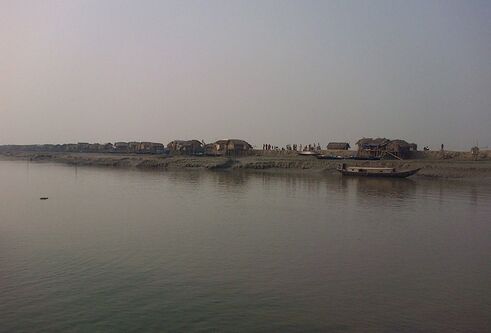
ESPA Deltas: exploring links between ecosystem services and human wellbeing in coastal Bangladesh
Delta communities are particularly vulnerable to climate change impacts. This project looked at the links between ecosystem services, human health and wellbeing and projected how these might evolve over the coming decades in the light of varying policy contexts.
-
- Type
- Research project
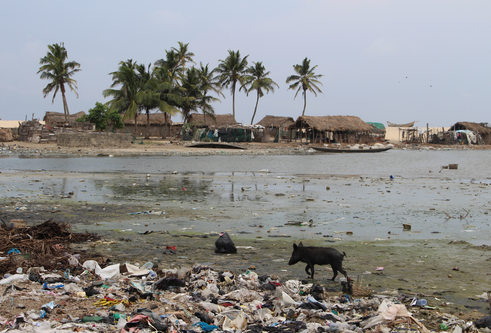
DECCMA: assessing the options, limits and potential for adaptation to climate change in deltas
DECCMA: assessing the options, limits and potential for adaptation to climate change in deltas
-
- Type
- Research project
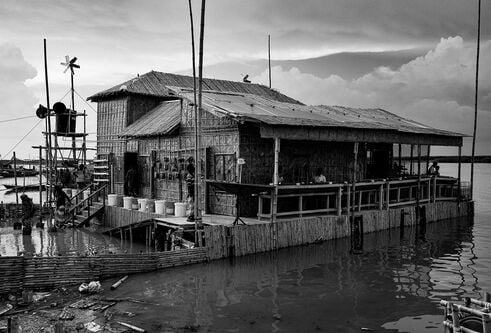
Floating houses: community-based flood resilience innovations in Bangladesh
Climate change is enhancing the intensity and frequency of floods, which further exacerbates many other challenges. This project co-developed and tested a flood resilient home with communities in Bangladesh.
-
- Type
- Research project
UPSCAPE: supporting decision-making for sustainable water resources in Peninsular India
Rapid economic change and population growth increase the pressure on water resources management to address competing demands across river basins. The key challenge is to give adequate representation to the many local, small-scale water management interventions in larger-scale decision-making.
-
- Type
- Research project
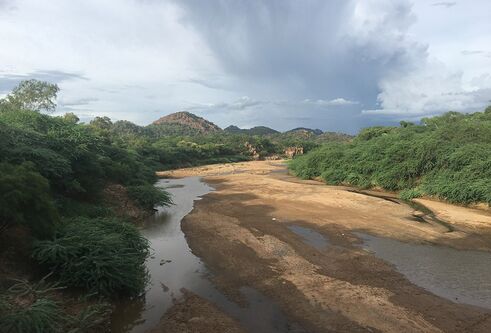
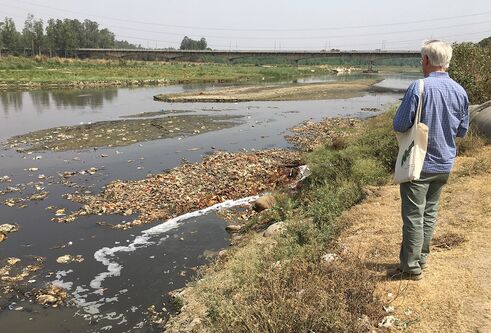
River health in the Ganges
The river system of the Ganges holds great physical, social and cultural importance in India, but suffers from poorly regulated pollution and water demand. This project looked at how water pollution affects communities on the Ramganga tributary of the Ganges.
-
- Type
- Research project
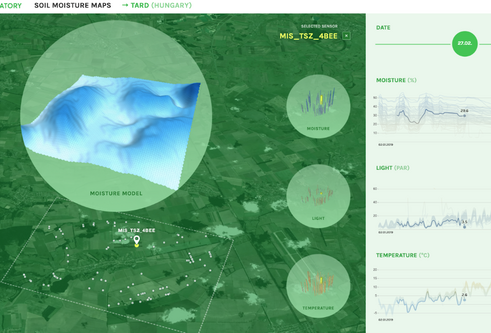
The GROW Observatory: empowering European food growers to monitor soil moisture
Soil moisture plays a key role in predicting the extreme weather events that are becoming increasingly common in a changing climate. Our vision is supporting a movement of citizens generating, sharing and using information to improve their soil management, and food production.
-
- Type
- Research project
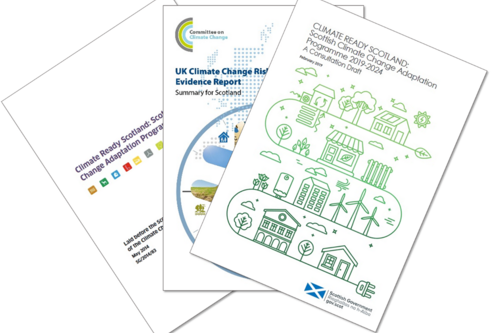
Supporting Scotland's climate change adaptation policy
Recent research has supported the Scottish Government in shaping climate change adaptation policy, focusing on flooding, water quality, and resources, and developing a research-led monitoring and evaluation framework.
-
- Type
- Research project
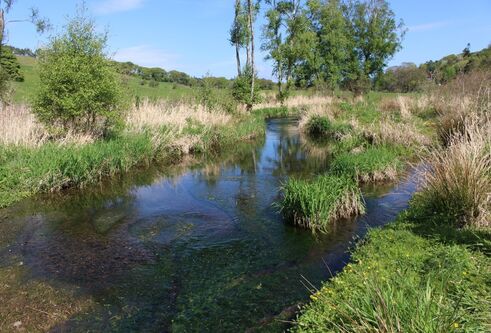
Natural flood management to reduce flood risk and restore Eddleston Water for community and wildlife
Natural flood management (NFM) can help us adapt to climate change, reducing flood risk and conserving habitats, while sustaining farming livelihoods. We are testing this at Eddleston Water, within the Scottish Government’s research programme on the effectiveness of catchment-scale NFM measures.
-
- Type
- Research project
An Integrated Framework for Sustainable Management of Natural Resources (SMNR)
This project supports Wales’ sustainability goals by developing a framework for the long-term, integrated management of natural resources and biodiversity, aligning with The Wellbeing of Future Generations Act (2015).
-
- Type
- Research project
Developing risk assessment approaches for watch list parameters under the recast Drinking Water Directive
New and emerging pollutants in water present health threats to humans and the environment.