
PhD opportunity
Molecular basis of transcriptional regulation during mammalian pre-implantation development
Funded
16 November 2026
- Funding – BBSRC funded 4 year studentship, providing tuition fees, training/research costs and an annual stipend at the UKRI rate, currently £21,805
- Start Date – September 2027
- Applicants are expected to have a degree (equivalent of Honours or Masters) in a relevant discipline
The life of mammals starts with fertilization of an egg, which subsequently undergoes multiple rounds of cell division and develops into a complete organism. During mammalian pre-implantation, transcription factors (TFs) play a crucial role in the first lineage segregation into the inner cell mass and trophectoderm, which give rise to the embryo proper and extraembryonic tissue (e.g. placenta), respectively. Proper formation of the trophectoderm is essential for implantation, and it is estimated that up to 60% of human conceptions are lost by this stage. Among TFs, specialized TFs known as pioneer TFs, play key roles in cell differentiation and reprogramming. Pioneer TFs have unique abilities that bind nucleosomal DNA and modulate epigenetic and chromatin states by facilitating the recruitment of chromatin remodelers and histone modifiers. However, how pioneer TFs drive trophectoderm cell fate at the chromatin level during the first lineage segregation remains poorly understood.
The goal of this project is to uncover the molecular basis by which trophectoderm-lineage pioneer TFs engage with nucleosomes and how its interactions impact on trophectoderm cell differentiation using cell culture models. The student will purify recombinant proteins and reconstitute defined complexes with nucleosomes in vitro. The reconstituted complexes will be further visualized using cryo-electron microscopy (cryo-EM) to determine their molecular basis. Using biochemical and biophysical approaches, the student will further investigate how pioneer TFs engage with nucleosomes together with specific co-factors and how these interactions alter chromatin structure. Based on biochemical and structural data, we will identify amino acid(s) that interacts with histones and determine how specific amino acids(s) impact trophectoderm cell differentiation using mouse or human embryonic stem cells. Resulting data will establish the fundamental mechanisms underpinning trophectoderm lineage commitment, offering a new perspective on gene regulation with far-reaching implications for developmental biology and chromatin biology.
Our research community thrives on the diversity of students and staff which helps to make the University of Dundee a UK university of choice for postgraduate research. We welcome applications from all talented individuals and are committed to widening access to those who have the ability and potential to benefit from higher education.
Research training
You will work multidisciplinary approach including biochemistry, structural biology, and developmental biology. This rare combination that lets you see the same biological problem at near-atomic resolution and in living cells. Through this program, you will develop:
• Expertise in recombinant protein purification and in vitro nucleosome reconstitution
• Experience in designing and analysis for biochemical and biophysical experiments
• Training in structural biology using cryo-EM
• Skills for single-particle analysis using software such as RELION and CryoSPARC
• Expertise in genomic assays and cell culture
Our research community thrives on the diversity of students and staff which helps to make the University of Dundee a UK university of choice for postgraduate research. We welcome applications from all talented individuals and are committed to widening access to those who have the ability and potential to benefit from higher education.
How to apply
Applications are open to Home & International students
See University Fee Status here
Click ‘Apply Now’ to view the application guidance and download the application form
Supervisors
Principal supervisor
- Type
- Person
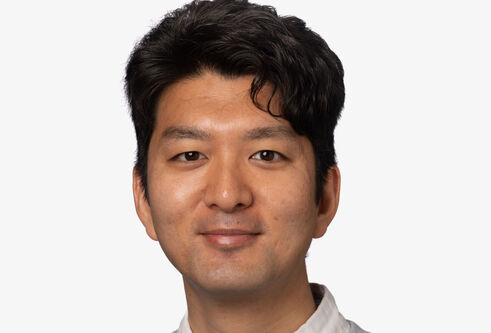
Dr Wataru Kobayashi
Second supervisor
- Type
- Person
Professor Tom Owen-Hughes

Related PhD programme
- Type
- PhD funding
BBSRC EASTBIO Doctoral Training Partnership (DTP) Studentship
This studentship provides PhD training for postgraduates with diverse to address biological questions using a range of technologies