PhD opportunity
The role of senescence in cancer progression and treatment
Funded
31 May 2026
Background to the project
Most anti-cancer therapies arrest cell cycle progression either directly or indirectly. These include cell cycle inhibitors, cytotoxic chemotherapeutics and radiation. A common outcome of this arrest is permanent exit from the cell cycle into senescence. Although senescence is a desirable outcome of therapy, it can also contribute to relapse as cancer cells that escape senescence can drive disease progression and drug-resistance. Understanding what determines these different fates is crucial if we are to improve cancer therapy responses.
A large body of recent work from ourselves (1-4) and others (5-9) shows that cellular enlargement drives the transition into senescence following cell cycle inhibition. When cancer cells arrest in the cell cycle, they continue to grow in size. This leads to a variety of cellular stresses that feedback to stably reinforce the arrest by inducing p53/p21 to trigger senescence. However, some cancer cells can evade senescence, particularly those lacking p53, and these enlarged cells continue to cycle leading to defects in DNA replication, chromosome segregation and DNA repair. This allows the enlarged non-senescent cells to accumulate genetic and chromosomal instability, potentially driving resistance to therapy.
Cellular enlargement is therefore a crucial fate-determinant following a cell cycle arrest that can drive either senescence or genome instability. This PhD studentship aims to mechanistically characterise these size-dependent fates and then use this information to improve cancer therapy responses.
Methods
Single-cell assays, cell biology and various ‘omics approaches will be used to characterise the mechanisms of senescence and genome instability in enlarged cells. Targeted CRISPR screening and live-cell imaging will be used to find strategies to kill enlarged cells or restrict chromosomal instability to prevent drug-resistance.
Why this work is important
This work will establish mechanistically how cancer cells enter senescence or become genomically unstable following a wide range of cancer therapies. It will leverage those mechanisms to find biomarkers to characterise senescence and to identify novel strategies to kill senescent cells or limit their heterogeneity. These strategies could be used to prevent cancer cells becoming resistant to therapy.
Training and research environment
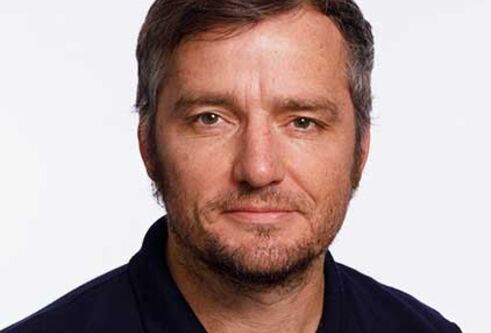
The successful applicant will join the lab of Professor Adrian Saurin at the Department of Genome Integrity, within the Faculty of Health at the University of Dundee. This studentship is part of a larger 5-year programme award from Cancer Research UK, meaning the student will work collaboratively in a team with two other postdoctoral researchers, offering a fantastic training environment.
The University of Dundee is rated 1st in Scotland and 2nd in the UK for Medicine (The Times & Sunday Times Good University Guide 2026). The Saurin group is located at the Life Sciences Campus, which offers internationally renowned facilities for studying Biological Sciences, as evidence by the fact that Dundee was ranked the top university in the UK for Biological Sciences in the previous two national research assessments (Research Excellence Framework 2014 and 2021).
PhD students benefit from a supportive and well‑resourced training environment. The Doctoral Academy provides opportunities for skills development in statistics, academic writing, data management, open science and research impact.
New researchers in the Faculty of Health are supported through the Buddy and CONNECT peer‑mentoring schemes, matching starters with those further along in their studies, helping them integrate into the research community.
Students can also engage with the wider early‑career researcher community through the Research Staff and Student Association (RSA), which offers seminars, development activities and social events, fostering an inclusive and collaborative research culture across the University.
Start date
1 September 2026 (or later, if required)
Informal enquiries
References
1) Foy, R., Crozier, L., Pareri, A.U., Valverde, J.M., Park, B.H., Ly, T., and Saurin, A.T. (2023). Oncogenic signals prime cancer cells for toxic cell overgrowth during a G1 cell cycle arrest. Molecular Cell 83, 4047 4061.e6. https://doi.org/10.1016/j.molcel.2023.10.020
2) Crozier, L., Foy, R., Adib, R., Kar, A., Holt, J.A., Pareri, A.U., Valverde, J.M., Rivera, R., Weston, W.A., Wilson, R., et al. (2023). CDK4/6 inhibitor-mediated cell overgrowth triggers osmotic and replication stress to promote senescence. Molecular Cell 83, 4062-4077.e5. https://doi.org/10.1016/j.molcel.2023.10.016.
3) Crozier, L., Foy, R., Mouery, B.L., Whitaker, R.H., Corno, A., Spanos, C., Ly, T., Cook, J.G., and Saurin, A.T. (2022). CDK4/6 inhibitors induce replication stress to cause long-term cell cycle withdrawal. The EMBO Journal, e108599. https://doi.org/10.15252/embj.2021108599.
4) Pareri, A., Losito, M., Foijer, F. and Saurin, A.T. (2025). Cell enlargement causes mitotic errors and aneuploidy in cells that evade senescence after CDK4/6 inhibition. bioRxiv. https://doi.org/10.1101/2025.07.01.662622
5) Wilson, G.A., Vuina, K., Sava, G., Huard, C., Meneguello, L., Coulombe-Huntington, J., Bertomeu, T., Maizels, R.J., Lauring, J., Kriston-Vizi, J., et al. (2023). Active growth signaling promotes senescence and cancer cell sensitivity to CDK7 inhibition. Molecular Cell 83, 4078-4092.e6. https://doi.org/10.1016/j.molcel.2023.10.017
6) Manohar, S., Estrada, M.E., Uliana, F., Vuina, K., Alvarez, P.M., Bruin, R.A.M. de, and Neurohr, G.E. (2023). Genome homeostasis defects drive enlarged cells into senescence. Molecular Cell 83, 4032 4046.e6. https://doi.org/10.1016/j.molcel.2023.10.018
7) Neurohr, G.E., Terry, R.L., Lengefeld, J., Bonney, M., Brittingham, G.P., Moretto, F., Miettinen, T.P., Vaites, L.P., Soares, L.M., Paulo, J.A., et al. (2019). Excessive Cell Growth Causes Cytoplasm Dilution And Contributes to Senescence. Cell 176, 1083-1097.e18. https://doi.org/10.1016/j.cell.2019.01.018.
8) Lanz, M.C., Zatulovskiy, E., Swaffer, M.P., Zhang, L., Ilerten, I., Zhang, S., You, D.S., Marinov, G., McAlpine, P., Elias, J.E., et al. (2022). Increasing cell size remodels the proteome and promotes senescence. Molecular Cell. https://doi.org/10.1016/j.molcel.2022.07.017
9) Lanz, M.C., Zhang, S., Swaffer, M.P., Ziv, I., Götz, L.H., Kim, J., McCarthy, F., Jarosz, D.F., Elias, J.E., and Skotheim, J.M. (2024). Genome dilution by cell growth drives starvation-like proteome remodeling in mammalian and yeast cells. Nature Structural & Molecular Biology, 1–13. https://doi.org/10.1038/s41594-024-01353-z
Funding
Funded PhD Project (UK Students Only)
- 4-Year Cancer Research UK studentship
- Tax-free stipend of £22,500 per annum (CRUK rates)
- Funding covers tuition fees (UK only) and research costs
How to apply
- Email Professor Adrian Saurin to send
- a copy of your CV
- a covering letter highlighting your suitability for the project
- two supporting references
Apply for the Doctor of Philosophy (PhD) degree in Medicine