
PhD opportunity
Optical Coherence Tomography Angiography for Non-Invasive Assessment of Oral Microvascular Changes
Unfunded
31 January 2027
- Funding – China Scholarship Council PhD Programme
- Application deadline 31st January 2027
- Standard Entry date - September 2027
- Applicants are expected to have a degree (equivalent of Honours or Masters) in a relevant discipline.
Oral cancer can be difficult to identify at an early stage, and changes in oral potentially malignant disorders are not always apparent during routine examination. Biopsy and histopathology remain essential for diagnosis. Optical coherence tomography (OCT) provides non-invasive, high-resolution images of tissue structure, while OCT angiography (OCTA) can visualise superficial microvascular patterns without injected contrast agents. These technologies may offer additional information about oral lesions, but the reliability and clinical significance of their vascular measurements need further investigation.
This PhD will investigate whether OCT and OCTA can provide reproducible measures of oral mucosal structure and microvascular changes associated with potentially malignant disorders and oral squamous cell carcinoma. The main research questions are: How can imaging be adapted to the movement, curvature and limited access of the oral cavity? Which vascular features, such as vessel density, diameter, tortuosity and branching, can be measured reliably? How do these measures relate to clinical assessment and histopathological findings when available?
The student will optimise an existing OCT/OCTA research system for oral imaging and evaluate image quality, acquisition repeatability and motion artefacts. They will develop quantitative image-processing methods using MATLAB and/or Python, including vessel segmentation, feature extraction and statistical analysis. Following the necessary research ethics and NHS approvals, in vivo imaging will be undertaken with dental clinical collaborators. Comparisons across oral tissue and lesion groups will depend on recruitment and clinical feasibility. Where biopsies are already clinically indicated, the resulting histopathological diagnoses may be used as reference information; no research-only biopsies are proposed.
The project will provide training in biomedical optics, OCT/OCTA instrumentation, quantitative image analysis, experimental design, reproducible research, clinical research governance and communication across engineering and dentistry. It will build on collaborative research between Biomedical Engineering at the University of Dundee, Dentistry and NHS clinical partners. The long-term aim is to establish whether non-invasive microvascular imaging could support future studies of oral lesion assessment and monitoring.
How to apply
Please apply through the link below, you may contact the principal project supervisor to discuss your interest further, see supervisor details below.
Supervisors
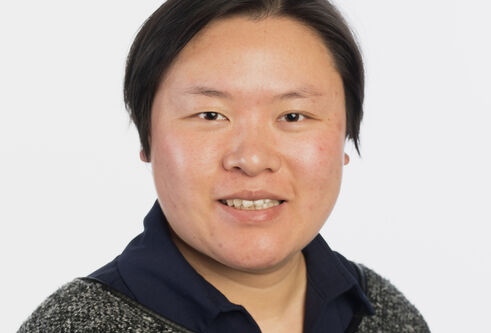
Principal supervisor
- Type
- Person
Dr Chunhui Li
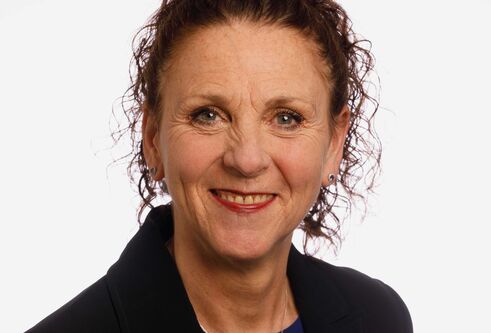
Second supervisor
- Type
- Person
Professor Michaelina Macluskey
Related PhD programme
- Type
- PhD funding
China Scholarship Council (CSC) Programme
An opportunity for Chinese Students to undertake a PhD programme in any research field in Medicine, Life Sciences, Science and Engineering