
PhD opportunity
Post transcriptional control of the segmentation clock and somitogenesis
Funded
16 November 2026
- Funding – BBSRC funded 4year studentship, providing tuition fees,
training/research costs and an annual stipend at the UKRI rate, currently £21,805 - Start Date – September 2027
- Applicants are expected to have a degree (equivalent of Honours or Masters) in a relevant discipline
During early embryogenesis, segments (somites) are formed during a process called somitogenesis. These somites will go on to form the bones and muscles of the skeleton. The timing of the segmentation process is regulated by a molecular oscillator, the segmentation clock, that drives cyclic gene expression with a periodicity that matches somite formation. This process is tightly controlled, and dysregulation of the segmentation clock results in diseases such as congenital scoliosis.
For the segmentation clock several levels of regulation of clock gene expression are important: transcriptional activation and negative feedback loops, post transcriptional regulation (from splicing to RNA stability) and protein degradation. Very little is known about the post transcriptional regulation in the segmentation clock, however it is of critical importance for the function of another molecular oscillator, the circadian clock where post transcriptional regulators include RNA binding proteins (RNA-BPs) and microRNAs (miRNAs).
This project will investigate how these post transcriptional regulators control the segmentation clock and the formation of somites in human induced pluripotent stem cell (hiPSC) derived presomitic mesoderm (PSM) cells as well as in hiPSC derived 3D structures called somitoids. It will provide insights into the mechanisms required for accurate segmentation clock gene expression in embryonic development as well as diseases associated with misregulation of the segmentation clock or the signaling pathways involved such as congenital scoliosis and T-cell acute lymphoblastic leukaemia (T-ALL).
Aims of the project:
1. Identify the RNA-BPs and/or miRNAs that interact with clock gene mRNAs
2. Determine the post transcriptional mechanisms that regulate clock gene mRNAs
3. Establish how this impacts somitogenesis
Examples of techniques expected to be used during the project: maintenance of hiPSC, CRISPR modification of hiPSC, differentiation of hiPSC into PSM cells, generation of hiPSC derived somitoids, immuno fluorescence, in situ hybridisation, microscopy (e.g. time lapse imaging, confocal), purification of DNA, RNA and protein, RT-qPCR, Next Generation Sequencing (e.g. RNAseq, RIPseq, miRNASeq, RIBOseq, TAILseq, scSeq), immuno precipitation, western blotting, mass spectrometry, analysis of large data sets.
Our research community thrives on the diversity of students and staff which helps to make the University of Dundee a UK university of choice for postgraduate research. We welcome applications from all talented individuals and are committed to widening access to those who have the ability and potential to benefit from higher education.
How to apply
Applications are open to Home & International students
See University Fee Status here
Click ‘Apply Now’ to view the application guidance and download the application form
Supervisors
Principal supervisor
- Type
- Person
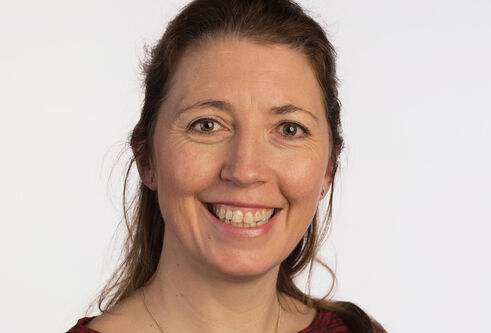
Professor Kim Dale
Second supervisor
- Type
- Person
Dr Philip Murray

Related PhD programme
- Type
- PhD funding
BBSRC EASTBIO Doctoral Training Partnership (DTP) Studentship
This studentship provides PhD training for postgraduates with diverse to address biological questions using a range of technologies