PhD opportunity
Development and standardisation of a vascularised-brain tumour neurosphere model using organ-on-a-chip technology for high throughput
Funded
19 October 2026
Gliomas are among the most aggressive and treatment-resistant forms of brain cancer. Despite advances in surgery, radiotherapy and targeted therapies, patient outcomes remain poor, largely because the blood-brain barrier (BBB) restricts drug delivery and tumour cells rapidly develop resistance to treatment. Increasing evidence suggests that interactions between tumour cells and blood vessels are critical drivers of tumour growth, invasion and therapeutic failure. However, current laboratory models do not adequately reproduce these complex tumour-vascular interactions, limiting their value for drug development and personalised medicine.
This interdisciplinary PhD project funded by Melville Trust will develop and validate a fully human vascularised glioma-on-a-chip model that recreates key features of the glioma microenvironment, including functional blood vessels, BBB properties and endothelial signalling. The project will combine patient-derived glioma neurospheres with human microvascular networks in an advanced microfluidic organ-on-a-chip platform, creating a physiologically relevant system for studying tumour biology and therapeutic responses.
The successful candidate will establish robust vascularised glioma models using both established glioma cell lines and patient-derived tumour material obtained through the CNS Live Biobank at Ninewells Hospital. They will develop quantitative methods to assess vascularisation, BBB integrity, tumour growth and endothelial redox signalling, and apply molecular and imaging approaches to characterise tumour-vascular interactions. The model will subsequently be used to evaluate clinically relevant BBB-penetrant therapies and establish a scalable drug-screening platform capable of linking drug penetration with tumour and vascular responses.
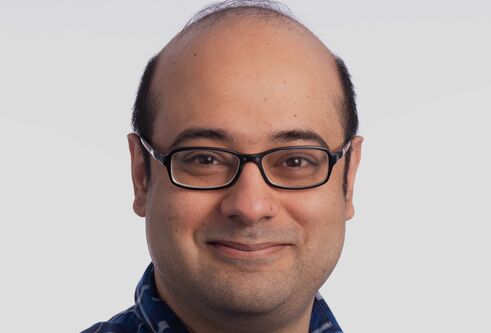
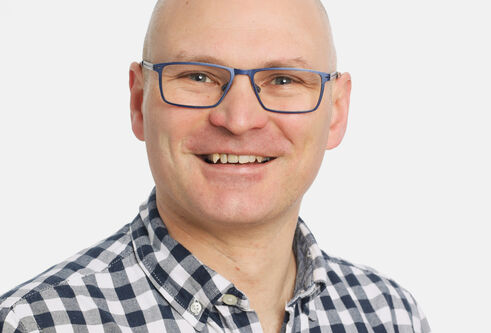
This project brings together the complementary expertise of Dr Colin Murdoch, with expertise in endothelial biology, redox signalling and organ-on-a-chip technologies, and Dr Sourav Banerjee, a UKRI Future Leaders Fellow specialising in glioma biology, patient-derived tumour models and translational neuro-oncology. The supervisory team has access to unique clinical resources, including fresh patient tumour samples, established glioma biobanking infrastructure and state-of-the-art imaging and molecular profiling facilities.
The student will receive multidisciplinary training in:
- Organ-on-a-chip and microfluidic technologies
- Human vascular and blood-brain barrier biology
- 3D cell culture and tissue engineering
- Glioma and cancer biology
- Advanced microscopy and image analysis
- RNA profiling and molecular biology techniques
- Experimental design, statistics and scientific communication
Applicants should hold, or expect to obtain, a First or Upper Second-Class Honours degree (or equivalent) in Biomedical Sciences, Neuroscience, Cancer Biology, Cell Biology, Molecular Biology, Bioengineering, Pharmacology, Medicine or a related discipline. Previous laboratory experience in cell culture, molecular biology, imaging or bioengineering would be advantageous but is not essential.
Why Apply?
A funded PhD studentship with stipend from the Melville Trust, open to UK residents only. This project offers a unique opportunity working at the interface of cancer biology, vascular biology and bioengineering, to develop cutting-edge human tumour models with direct clinical relevance. The successful candidate will gain expertise in emerging organ-on-a-chip technologies, work closely with clinicians and translational researchers, and contribute to the development of innovative approaches for personalised treatment of glioma.
The outcomes of this work have the potential to transform preclinical drug testing and improve therapeutic strategies for patients affected by one of the most challenging forms of cancer.
Diversity statement
Our research community thrives on the diversity of students and staff which helps to make the University of Dundee a UK university of choice for postgraduate research. We welcome applications from all talented individuals and are committed to widening access to those who have the ability and potential to benefit from higher education.
Funding
- Melville Trust Studentship – 3 years
- Stipend is set at UKRI stipend rates
- Stipend is set at UKRI stipend rates
- Applicants should hold, or expect to obtain, a First or Upper Second-Class Honours degree (or equivalent) in Biomedical Sciences, Neuroscience, Cancer Biology, Cell Biology, Molecular Biology, Bioengineering, Pharmacology, Medicine or a related discipline. Previous laboratory experience in cell culture, molecular biology, imaging or bioengineering would be advantageous but is not essential.
How to apply
- Email Dr Colin Murdoch to submit
- Personal Statement highlighting how your interests and experience relate to the project (1page)
- Curriculum Vitae (CV) (2 pages)
- Statement of Academic Performance
- Names and contact details of two referees
- After discussion with Dr Murdoch, formal applications can be made via our direct application system.
The interviews will take place during the first week of November.
Apply for the Doctor of Philosophy (PhD) degree in Medicine
Supervisors
Principal supervisor
- Type
- Person
Dr Colin Murdoch
Second supervisor
- Type
- Person