
Press release
Dundee project to preserve the legacy of Afghanistan’s female artists
A University of Dundee student is working to ensure that Afghanistan’s female artists are not forgotten, despite efforts from the country’s Taliban rulers to silence them.
Published on 10 February 2025


Mahtab Karami
Artistic expression by female artists has been severely restricted by the Taliban since it regained control of the country in 2021. As a result, drawings, paintings, and other artworks are reportedly being destroyed or removed from public display.
To ensure these can be shared with the world despite the challenges facing creators, Mahtab has started to collate photographs and documentation of more than 150 artworks, ensuring they can still be viewed - regardless of what fate befalls the physical pieces. It is part of a wider research project she is conducting to establish comparisons between the work of Afghan artists and female counterparts in other Middle Eastern states.
“This is a very contemporary issue,” says Mahtab. “Art can be used as a form of resistance and female artists are still trying to find ways to navigate their careers given the restrictions they face.
“In other countries in the Middle East there are established ways of doing this, but this is less clearly defined in current day Afghanistan.”
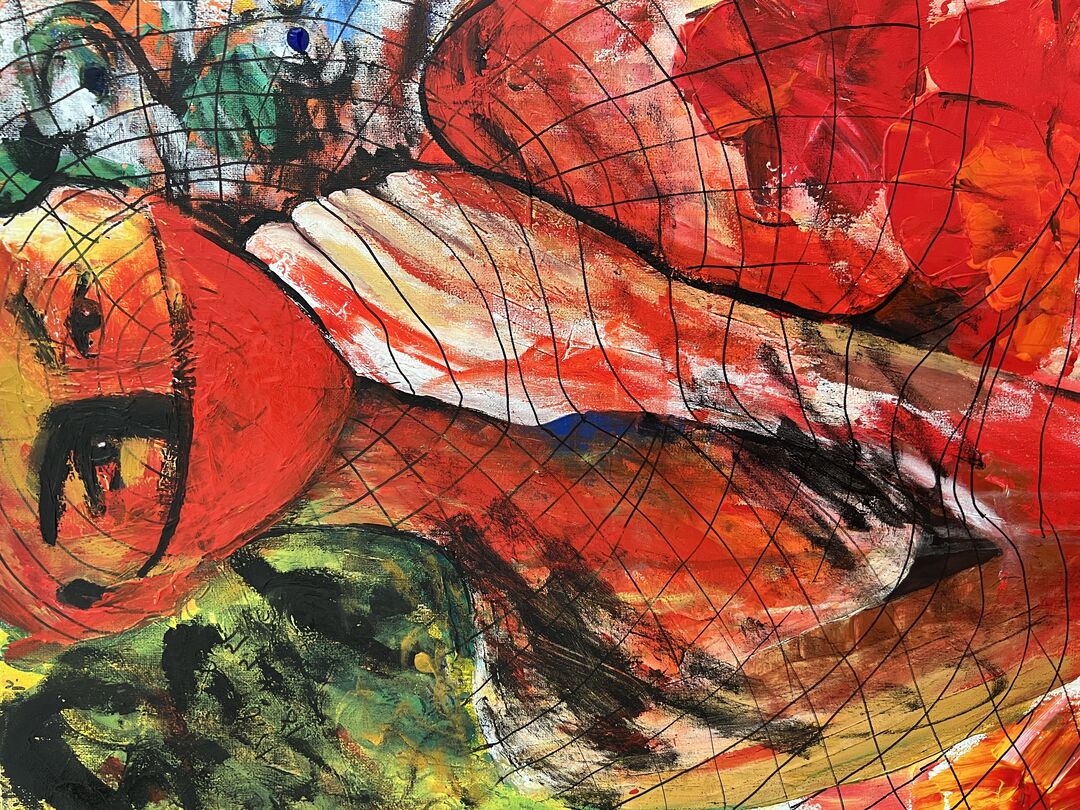
The Sun Girls by Afghan artist Jahan Ara Rafi.
Following the removal of the Taliban by coalition forces in 2001, nearly two decades of reform had allowed female artists to develop their careers and display work publicly in much of the country. However, following the withdrawal of coalition forces in 2021 and the subsequent return to power by the Taliban, these freedoms have quickly eroded. Education for girls has also been curtailed, with UNESCO reporting that 1.4 million girls have been deliberately deprived of schooling in the past three years.
“Female artists were flourishing before the Taliban,” says Mahtab. “However, women living in rural areas would still have faced issues if they had wanted to show off their art, even before the return of the Taliban and it is important to acknowledge that.
“But now women and girls are banned from attending schools. The Taliban do not care about providing a pathway for them to grow as artists. Because they are restricted from having a normal life, they cannot begin to think about creating artwork.”
Mahtab’s research, supported with funding from the UKRI Arts and Humanities Research Council, will compare the work of Afghanistan’s female artists with those from Iran, Iraq and Egypt. As well as canvassing online networks for previously created records, Mahtab will also utilise personal connections in the art world to interview some of the artists, while bringing together photographs and other information to comprehensively detail each piece. The project will also incorporate present day work produced by Afghan artists living in exile.
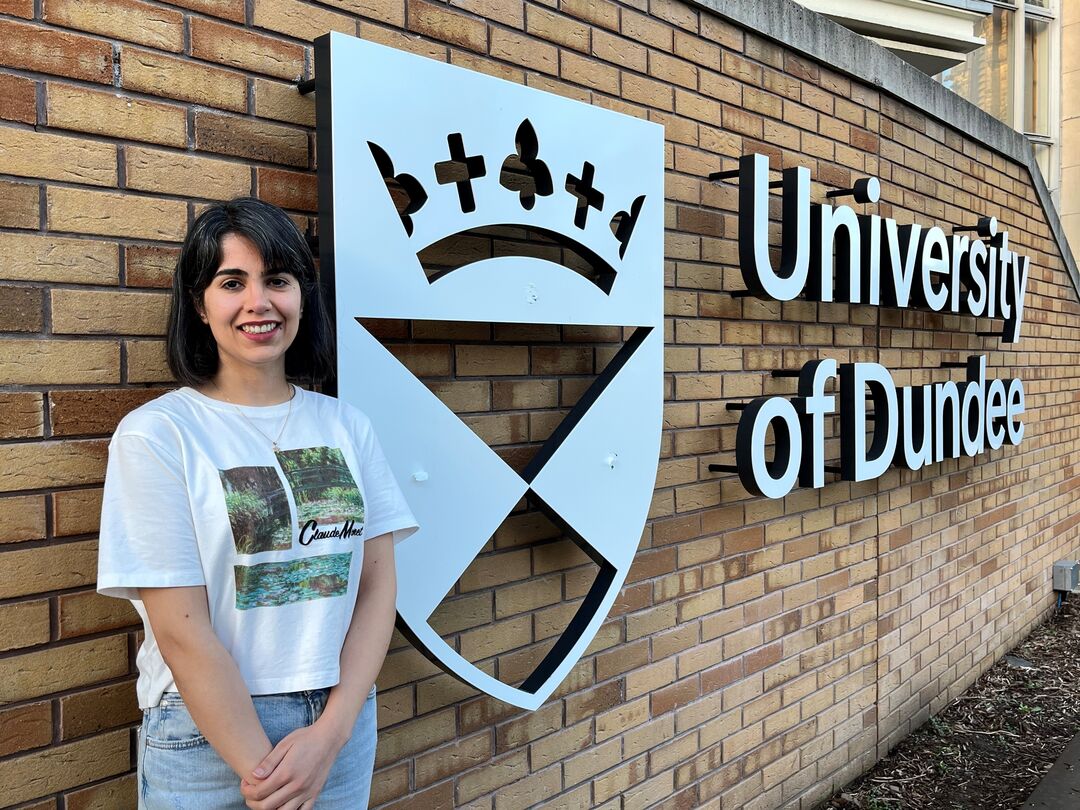
Mahtab outside of Duncan of Jordanstone College of Art & Design
The ultimate aim is to establish both the similarities and differences in themes and style between the artists of each nation. In total, Mahtab hopes to catalogue in the region of 500 pieces of art, providing a permanent record of the work of artists who face significant hurdles in showcasing their talent. Her research will be conducted under the supervision of Duncan of Jordanstone’s Dr Helen Gorrill, a leading figure in the role of gender in contemporary art.
“I understand how women in Afghanistan may feel – frightened and scared – but many will also want to use art as a form of resistance to express themselves,” added Mahtab.
“Many of them want to show the world that they exist and have something to say. This project gives their work an opportunity to be seen and to endure. Interviewing the artists will allow people to learn more about their situation and what they face in Afghanistan. It is vital that these people and their paintings do not disappear from the history of art.”
The University of Dundee has taken significant steps to show support to the women of Afghanistan. In 2023, the Afghan Women Humanitarian Scholarship was launched - the only scholarship of its type in the UK. Open only to female applicants with Afghan nationality, the first cohort of scholars graduated in November 2024.